SF is time travel: forwards, backwards and sideways, including alternate histories.
SF is also an escape from history.
The Hitler wins topos/trope/meme. The map of America in a famous Hitler wins story that's now a TV show too.
SF is an experiment whose control is not just the real world; it's also other genres.
You can experiment with alternate phenotypes, but also with alternate language.
An earlier innovation in physical substrate that clearly affected what sf writers did.
An even earlier innovation.
Egan's "Black Box," Paste Magazine online version.
Egan's "Black Box" in the original Twitter version thanks to Storify.
The New Yorker interviews Egan about "Black Box."
To read the famous or infamous PowerPoint chapter from Egan's novel A Visit from the Goon Squad, go to her own main site and click on the extreme right-hand label "Great Rock and Roll Pauses." You may also be able to view the chapter here.
More material from and about Egan's novel A Visit from the Goon Squad.
You can go back to your body, or you can end up in the night sky.
Joe Winkler's Twitter-style review of Egan's "Black Box."
Nick Montfort (and collaborators') interactive fiction. His monograph (2003-05) on interactive fiction.
The first widely influential interactive fiction.
Planetfall, by John Burnett. Burnett's main site. (Warning: may start audio automatically.)
José Adolph's story "Nosotros, no."
Cixin Liu, trans. Ken Liu: The Three-Body Problem.
Audio-native SF: The Bright Sessions. Audio-native slipstream: of course.
One way to think about gaming.
Another way to think about gaming.
Monday, November 27, 2017






Sunday, November 26, 2017
Ted Chiang
Review: the science-fictional triangle whose points are explanation, and wonder and warnings about the unknowable or unknown.
Review: sf as experiment, real world and realist fiction as controls.
Review: the novum. Novums within novums.
Review: the idea of genres and subgenres, which branch out over time.
One particularly reflexive subgenre.
Review: sf asks about historical change.
SF also asks about an afterlife.
"Liking What You See" helped inspire influential YA SF.
"Story of Your Life" is now a movie.
An interview with Chiang.
Louise is a reader.
Fiction as face.
Fiction as mirror.
People who misunderstood Hopi.
Nietzschean Eternal Return.
Ideas about characters.
Narrative usually works like that. Real life works like that.
What if we could see our lives like that?


Review: sf as experiment, real world and realist fiction as controls.

Review: the novum. Novums within novums.

Review: the idea of genres and subgenres, which branch out over time.

One particularly reflexive subgenre.

Review: sf asks about historical change.

SF also asks about an afterlife.

"Liking What You See" helped inspire influential YA SF.
"Story of Your Life" is now a movie.
An interview with Chiang.
Louise is a reader.

Fiction as face.

Fiction as mirror.

People who misunderstood Hopi.

Nietzschean Eternal Return.

Ideas about characters.

Narrative usually works like that. Real life works like that.


What if we could see our lives like that?

Practice exam 2017
Our December final exam will have this structure and these kinds of questions, though all the examples will be different. We’re distributing this practice exam before Thanksgiving in response to student requests. We’ll discuss the exam and how to take it after Thanksgiving, in one of our final lecture classes.
PART I. Pick ten terms from the list of twenty below and write, for each of the ten, just one phrase or sentence about what it means and how it functions in a work we have read for this course; give the name of the author of that work (you may but need not give the title of the work as well). A few terms may have more than one right answer (20%).
PART II. Then, from among those ten, pick three and write two or three substantial paragraphs about each, making an argument about how it functions in that work and what it means (45%).
Obsidian ---------------------------The Palace of Green Porcelain
Yorkie --------------- --------------A solar eclipse
Andy ------------------ -------------Cyberspace
The space elevator ----------- ----The Three Laws of Robotics
Gelle-Klara Moynlin -------------Lentz
Florida ------------------------------Ellador
C. P. (“Cold Pig”) -----------------Joe Chip
Jordan -------------------------------cognitive estrangement
Ann Clayborne---------------------A sudden shift into color from black and white
Frelks -------------------------------Joe-Jim
PART III. In a cogent essay with a well-supported argument, answer one of the following questions. Your answer should refer to, and demonstrate that you have thought about, at least two works we have read for this course (35%). You may, of course, refer to others. Please do not duplicate in this part the claims that you made in part II (you may refer to the same works); do not duplicate the arguments you made in the papers you wrote for our course. You may refer to the works on which you wrote papers, though the best essay for this exam would remind us that you have read other works too.
1. Sf developed first as prose fiction, consisting of nothing but printed words. What can images, sound or digital media do for sf that print, on its own, cannot?
2. How do sf works and sf authors construct a tradition, or propose lines of descent, connecting their own works to earlier works within sf?
3. Can sf effectively represent consciousness, intelligence or personality that we can recognize as not human, and as in some important way not like what’s human? If so, how? If not, why do authors keep trying?
4. SF by definition depicts a world in at least one respect (the novum) unlike our own. Does that make all sf an escape from history, or from the present, or from the real world? If not, why not? If so, is that a problem, or a source of strength?
Sunday, November 12, 2017
Ryman, Roanhorse, Walton...
"Welcome to your Authentic Indian Experience."
The Angel of the North is real. You can go see it.
So is Blaydon.
The Mundane Manifesto. And some more Mundane SF.
Authentic Indian territory?
Best picture, 1990. Another useful picture.
Jo Walton's "Other Worlds." Jo Walton's Among Others.
The Angel of the North is real. You can go see it.


So is Blaydon.
The Mundane Manifesto. And some more Mundane SF.
Authentic Indian territory?
Best picture, 1990. Another useful picture.


Jo Walton's "Other Worlds." Jo Walton's Among Others.
Friday, November 3, 2017
Richard Powers (and a bit of Delany)
Delany's "Aye, and Gomorrah" now online.
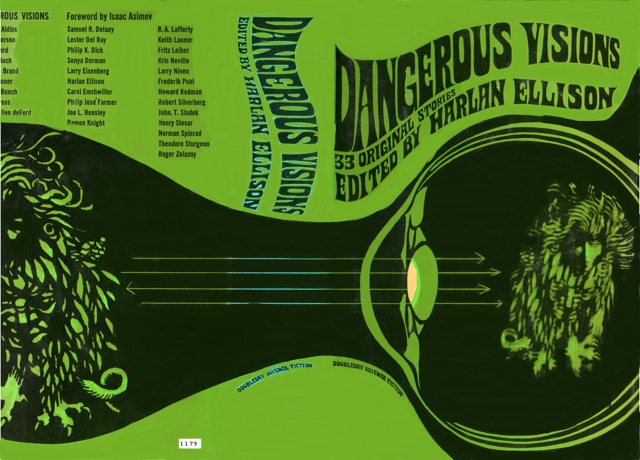
Dangerous Visions.
Welcome to Istanbul.
The second movement of Mozart's clarinet concerto.
The author's own website.
The Beckman Institute for interdisciplinary work, including human-machine interaction, at the University of Illinois Urbana-Champaign.
Powers's first two novels. Powers's well-received third.
A relatively accessible, and Pulitzer Prize-winning, source for Powers' thinking about AI.
Thinking again about ELIZA. Thinking about machine translation.
Thinking about time and fruit.
Lentz's "near-opaque glasses."
Computers used to be big.
An extremely important code.
A book of these things too.
Arts and sciences: language as against other kinds of experience and information.
Not all experience is verbal.
Can Richard ever belong here? What about here?
Extremely effective, and therefore unpredictable, learning machines.
Hey, Marcel...
Poems cited in Powers's first pages, by John Keats, and by Wallace Stevens, and by Keats again.
The hippocampus in your head.
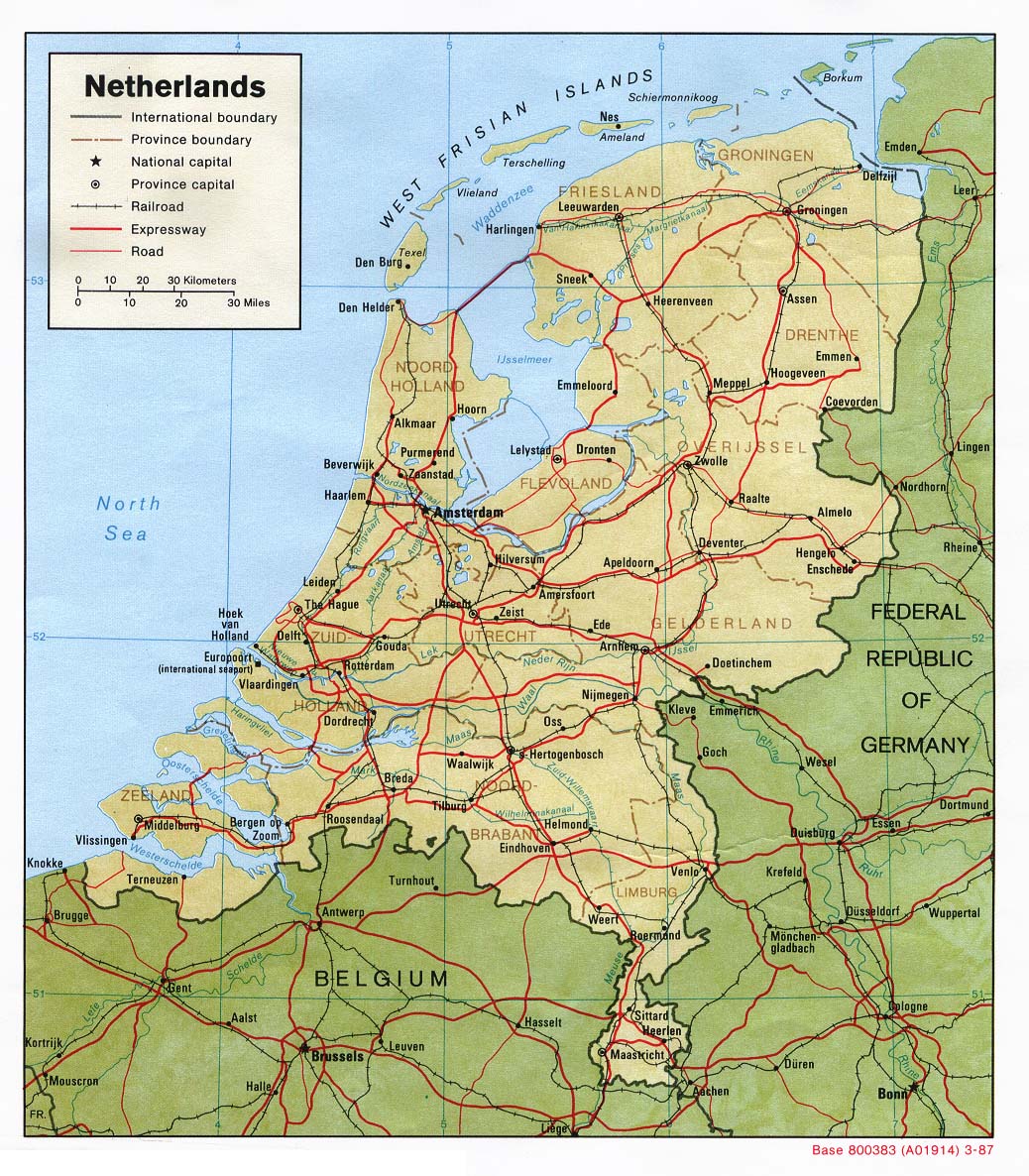
A nice Dutch train. (Not sure whether it's running south.)
A book about the limits of novels' directional plot.
A book about the limits of tests.
Personhood: is it about having a human body? Or can you get it from these things?
Literature as connection.
Connecting this book to other books about paths. To other books about education.
Playing Mastermind and Connect Four.
Listening to Hopkins's "The Wind-Hover."
Listening to the Violent Femmes.
"A story about how we're all going to end up in cubicles."
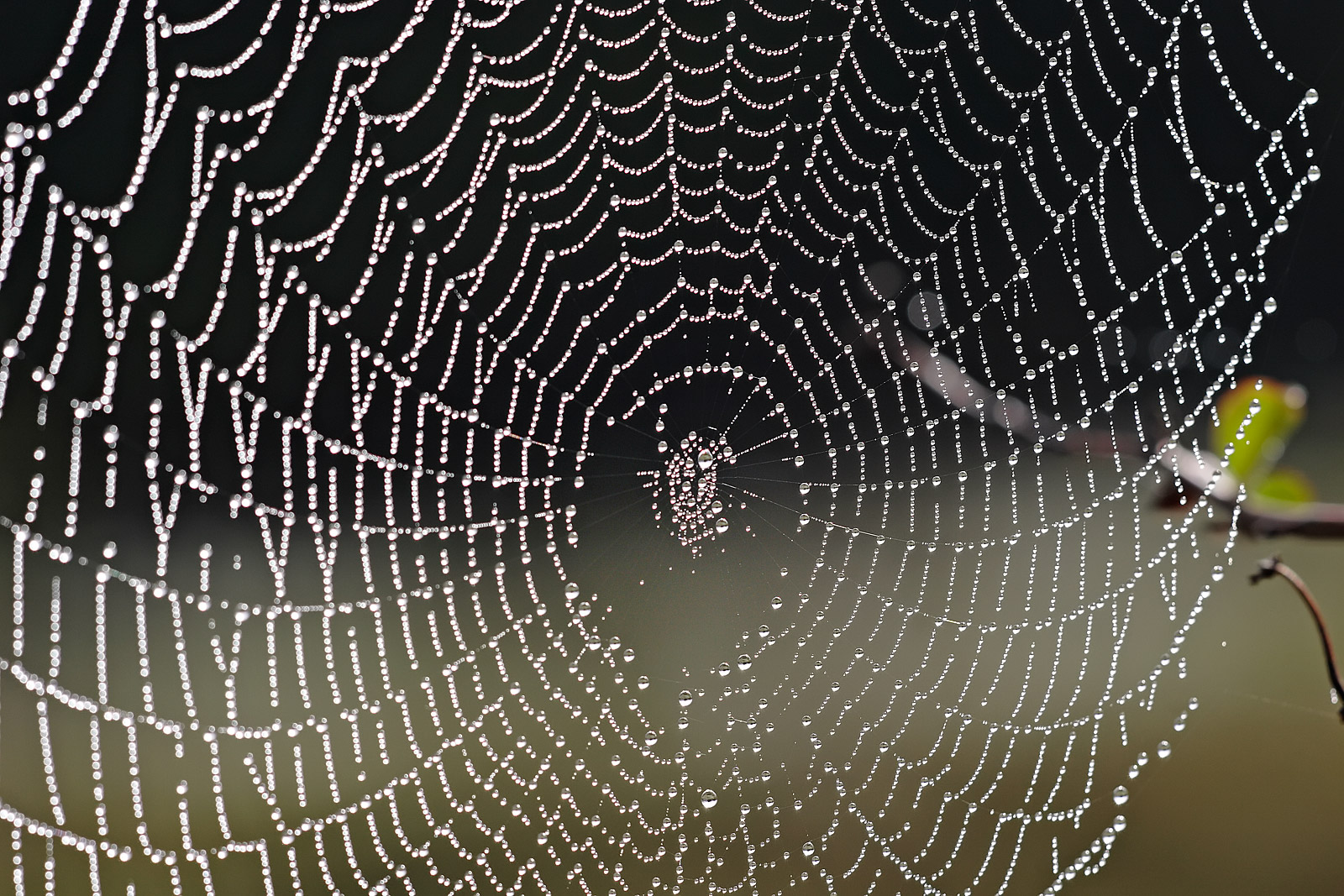
A tangled web of connections.
Getting outside the wall or the bars of the self.
"Good girl outside."
Do you see a face? A face? A face?
Literature as escape. Or as escape.
Dangerous Visions.
Welcome to Istanbul.

The second movement of Mozart's clarinet concerto.
The author's own website.
The Beckman Institute for interdisciplinary work, including human-machine interaction, at the University of Illinois Urbana-Champaign.
Powers's first two novels. Powers's well-received third.


A relatively accessible, and Pulitzer Prize-winning, source for Powers' thinking about AI.

Thinking again about ELIZA. Thinking about machine translation.
Thinking about time and fruit.

Lentz's "near-opaque glasses."

Computers used to be big.

An extremely important code.

A book of these things too.

Arts and sciences: language as against other kinds of experience and information.


Not all experience is verbal.
Can Richard ever belong here? What about here?

Extremely effective, and therefore unpredictable, learning machines.

Hey, Marcel...

Poems cited in Powers's first pages, by John Keats, and by Wallace Stevens, and by Keats again.
The hippocampus in your head.

A nice Dutch train. (Not sure whether it's running south.)

A book about the limits of novels' directional plot.

A book about the limits of tests.

Personhood: is it about having a human body? Or can you get it from these things?


Literature as connection.
Connecting this book to other books about paths. To other books about education.
Playing Mastermind and Connect Four.

Listening to Hopkins's "The Wind-Hover."
Listening to the Violent Femmes.
"A story about how we're all going to end up in cubicles."
A tangled web of connections.
Getting outside the wall or the bars of the self.


"Good girl outside."

Do you see a face? A face? A face?


Literature as escape. Or as escape.


Tuesday, October 24, 2017
Stalker; some reference works
Stalker and other Tarkovsky films online.
About Geoff Dyer's Zona, a book about Stalker.
Shorter Dyer: "it is the reason cinema was invented."
Russian critics remember how the film was made: in Russia, Tajikstan, and Estonia.
Cinema, a visual medium, turns space into time.
A sort of real-life Zone.
John 20 (see especially John 20:29). Revelation 6.
Walking on water. A Russian-style crown of thorns.
Another sacred place.
*******
This belongs somewhere: a lot of review-essays about SF since the 1990s (not academic-scholarly, but critical and serious).
So does a a reminder about the all-purpose SF news site io9.
And so does the new online edition of the SF Encyclopedia, edited by John Clute.
Here are all its entries on film.
About Geoff Dyer's Zona, a book about Stalker.
Shorter Dyer: "it is the reason cinema was invented."
Russian critics remember how the film was made: in Russia, Tajikstan, and Estonia.
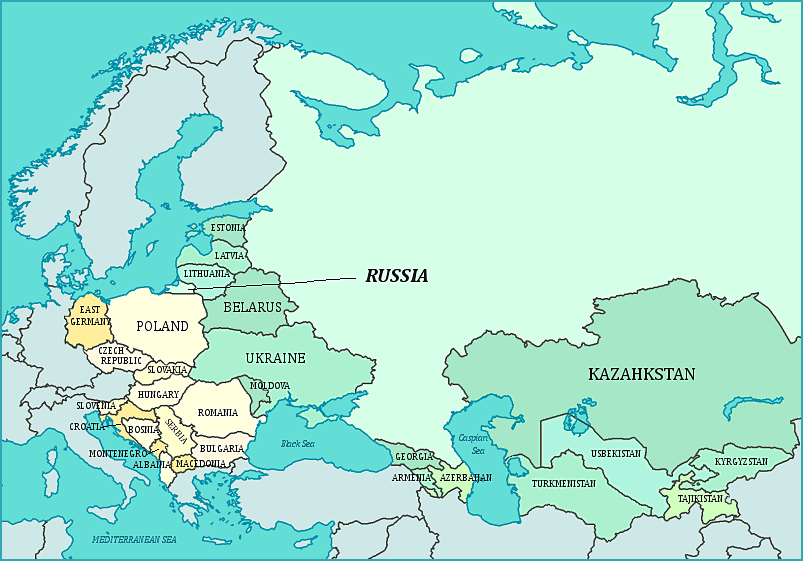
Cinema, a visual medium, turns space into time.

A sort of real-life Zone.
John 20 (see especially John 20:29). Revelation 6.
Walking on water. A Russian-style crown of thorns.


Another sacred place.

*******
This belongs somewhere: a lot of review-essays about SF since the 1990s (not academic-scholarly, but critical and serious).
So does a a reminder about the all-purpose SF news site io9.
And so does the new online edition of the SF Encyclopedia, edited by John Clute.
Here are all its entries on film.
Sunday, October 15, 2017
Kim Stanley Robinson, "hard sf" and Mars
Something hard.
Something big, old and hard.
Mars seen from Mars.
The real Mars Society and its real prep for people on Mars.
The NASA/ Jet Propulsion Laboratory Mars site. NASA/ JPL pictures from Mars.
Sand and rocks on Mars, thanks to Curiosity Rover.
The first hard sf movie. "Golden Age" sf as an influence on NASA, according to Howard McCurdy.
Larry Niven's Ringworld. io9's guide to Ringworld.
Niven and other hard sf writers from the 1970s as an influence on this guy, who thought this could work.
But hard sf now gives us ways to think about this problem, and thus about this problem, and this problem, directly or by thinking about this place.
Not a completely alien scene.
Not a completely unrecognizable image.
But this thing requires explanation.
Another map of Mars.
Real tweets from Mars. And sarcastic tweets from Mars.
A Mars trilogy glossary, with areological, astronomical, and political terms.
Polyvinylidene difluoride: it's real.
Also real: Martian alases. Here's one in northern Russia.
Deep ecology in one diagram.
Alexander (not Arkady) Bogdanov plays chess with Lenin. Bogdanov's novel: Bolsheviks on Mars.
The first hundred, by name where known (part of a Mars trilogy reference site; links contain spoilers).
Kim Stanley Robinson's almost crushingly informative official site.
Some people think we can really build space elevators.
Not so sure atp abt moholes.
More ice on Mars.

Something big, old and hard.
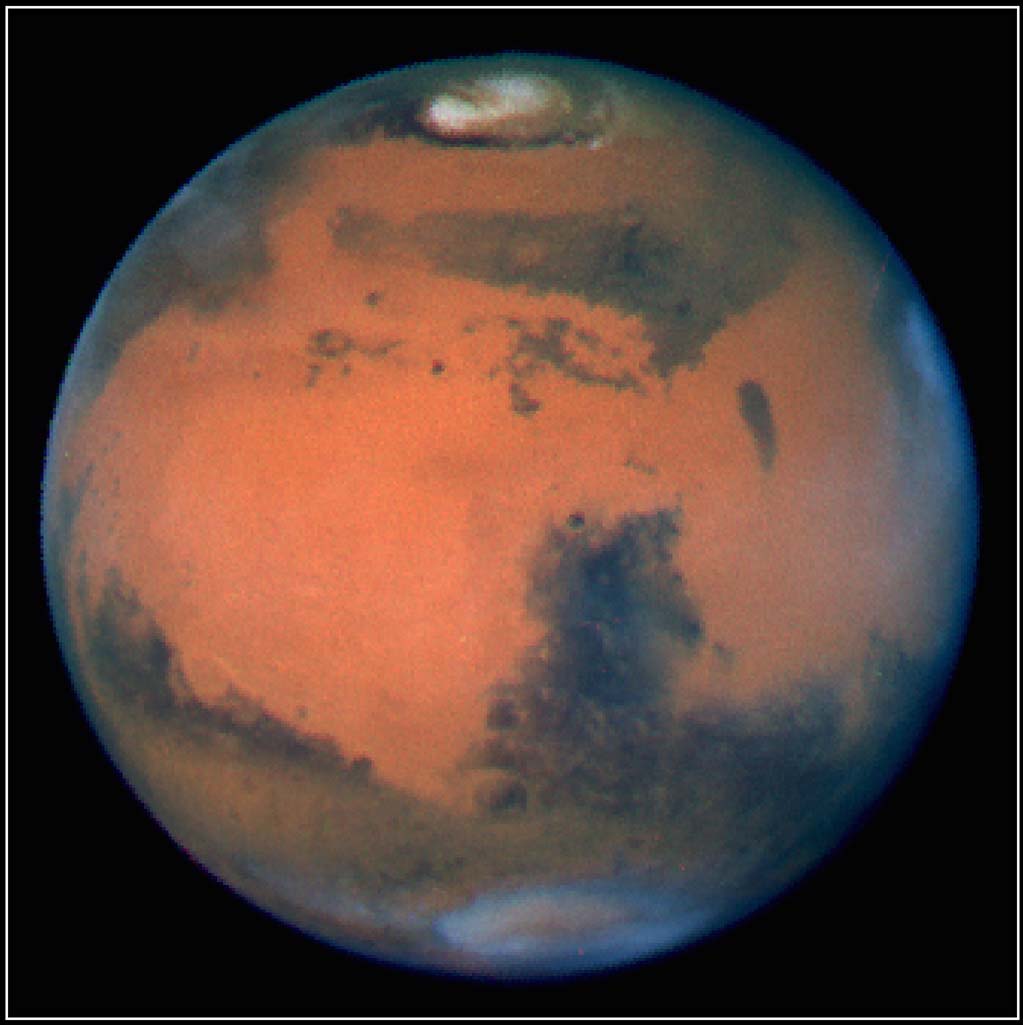
Mars seen from Mars.

The real Mars Society and its real prep for people on Mars.
The NASA/ Jet Propulsion Laboratory Mars site. NASA/ JPL pictures from Mars.
Sand and rocks on Mars, thanks to Curiosity Rover.

The first hard sf movie. "Golden Age" sf as an influence on NASA, according to Howard McCurdy.


Larry Niven's Ringworld. io9's guide to Ringworld.

Niven and other hard sf writers from the 1970s as an influence on this guy, who thought this could work.


But hard sf now gives us ways to think about this problem, and thus about this problem, and this problem, directly or by thinking about this place.


Not a completely alien scene.

Not a completely unrecognizable image.

But this thing requires explanation.

Another map of Mars.

Real tweets from Mars. And sarcastic tweets from Mars.
A Mars trilogy glossary, with areological, astronomical, and political terms.
Polyvinylidene difluoride: it's real.

Also real: Martian alases. Here's one in northern Russia.

Deep ecology in one diagram.

Alexander (not Arkady) Bogdanov plays chess with Lenin. Bogdanov's novel: Bolsheviks on Mars.


The first hundred, by name where known (part of a Mars trilogy reference site; links contain spoilers).
Kim Stanley Robinson's almost crushingly informative official site.
Some people think we can really build space elevators.
Not so sure atp abt moholes.
More ice on Mars.
Subscribe to:
Posts (Atom)