How cyberspace used to look.
A very good reference site for Turing, maintained by Turing's biographer, Andrew Hodges. The same site's index.
An Enigma machine.
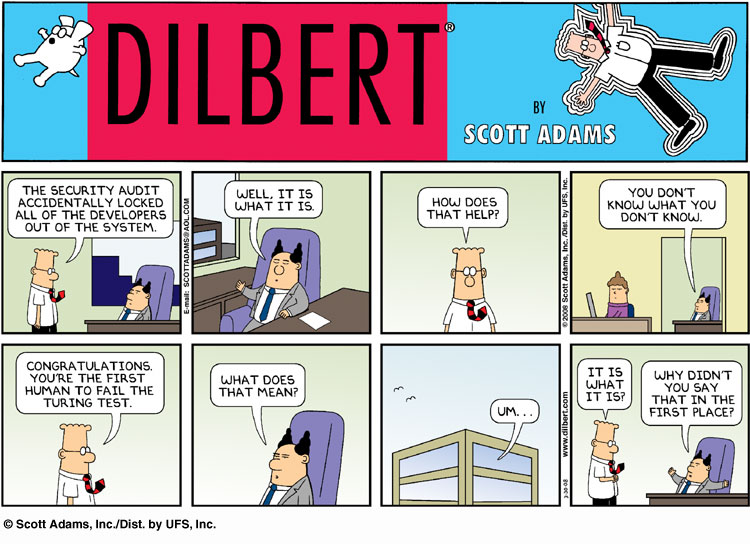
Dilbert's boss takes a Turing Test.
Extremely effective, and therefore unpredictable, learning machines.
Neuromancer, the game, the first edition, another early edition.
An elegant nonacademic reference site for Gibson, with pages specific to Neuromancer (site has been up and down lately).
Riding the monorail in the real Chiba City, Japan.
A dead television channel?
In the midst of life we are in something else.
The same cultural moment as this famous film.
Some complicated visual information (the Tokyo subway). A lot more (not specific to computers) about the visual display of information.
OMNI magazine. Another early issue. Another issue, apparently with Gibson's "Johnny Mnemonic."
One metaphor for personality. With an early-80s look.
The arcade game that must be one source for how cyberspace looks.
A world of commerce and commerce. And then, not commerce.
Whether it's wires or wetware, data has to be stored somewhere.
Something's up with vision. A symbol for cyberpunk. The resulting anthology.
New ways to move through space, or think about space.
Who controls what territory, what space?
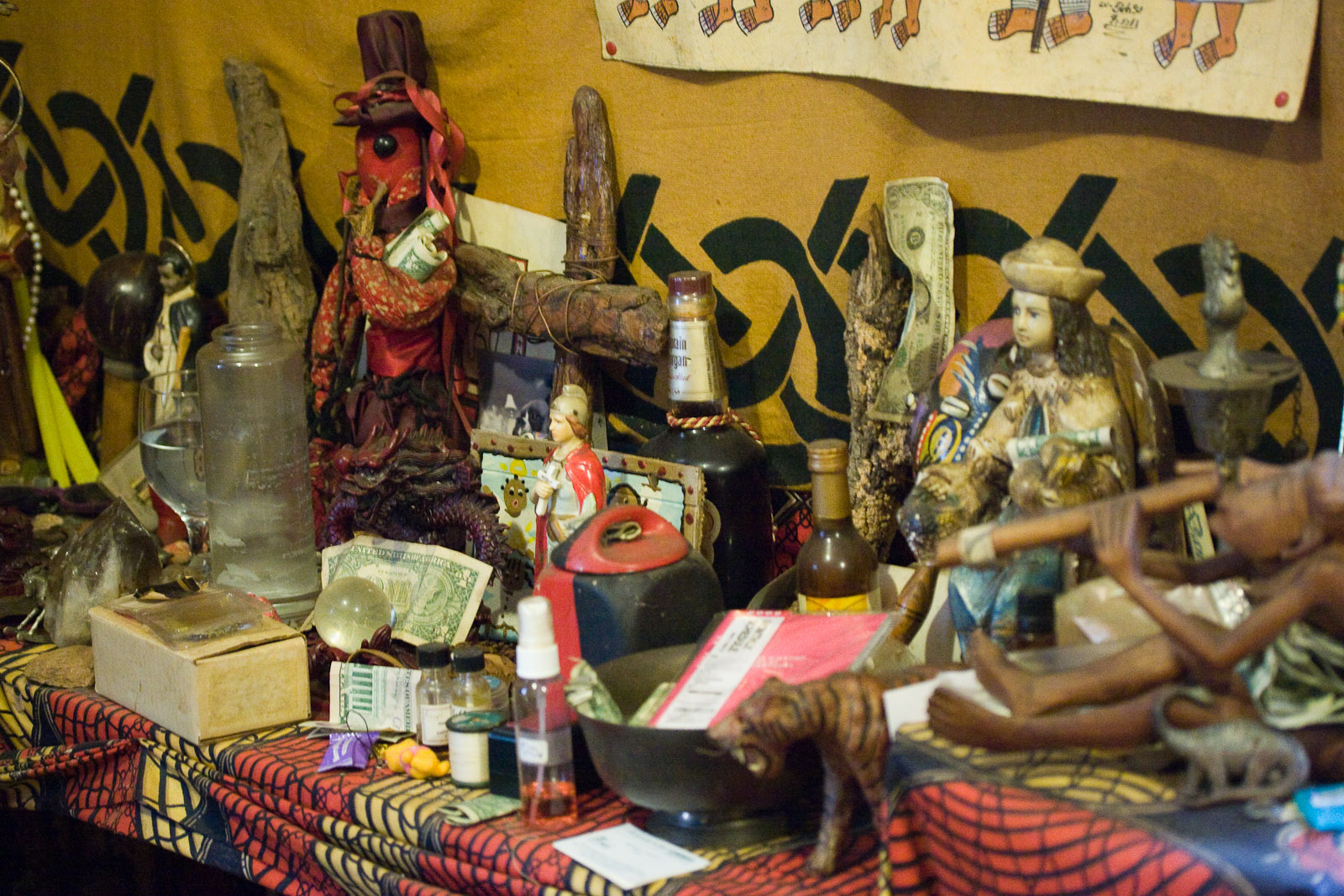
Haitian voodoo divinities.
The end of the novel repeats a famous quest.
So does this work of art, and this one, with this guy.
What people thought high tech images looked like in the early 1980s: two minutes of highlights from the movie TRON.
Saturday, October 12, 2019








Monday, October 7, 2019
James Tiptree, Jr.
A source for a name.
A warmer collection.
The source for another pseudonym.
Another radical version of feminist sf.
Pheromones in another mammal.
They're just molecules.
Homages to more advanced (or "advanced") cultures we don't understand (yet): like a cargo cult.
Not just the sex drive, but the wish to escape.
"We are built to dream outwards."
"Girl" anticipated a cultural movement.
Who needs real bodies?
Anthony Van Dyck's Cupid and Psyche (1640). The story of Cupid and Psyche, adapted from Apuleius and retold by Thomas Bulfinch (1855).
Instinctive, arguably biological reactions of attraction and aversion.
"The Song of Hiawatha," entire, and in a sample from the first book.
Blake's peach thief.
A lot more William Blake.
Women and night time.
Time to leave this behind?
Leaving Earth, and leaving realism, behind in time and space.
Maybe we don't want to lose this sort of thing, or this either.
Ways, short and long-term, for representing time.
Alice Bradley's first husband, the poet and novelist William Davey ("green hill against sunrise" &c.) (via Greta Friar).
An acoustic homage to Tiptree's works.
Take me to the river.
A warmer collection.

The source for another pseudonym.

Another radical version of feminist sf.

Pheromones in another mammal.

They're just molecules.

Homages to more advanced (or "advanced") cultures we don't understand (yet): like a cargo cult.

Not just the sex drive, but the wish to escape.

"We are built to dream outwards."

"Girl" anticipated a cultural movement.

Who needs real bodies?

Anthony Van Dyck's Cupid and Psyche (1640). The story of Cupid and Psyche, adapted from Apuleius and retold by Thomas Bulfinch (1855).

Instinctive, arguably biological reactions of attraction and aversion.


"The Song of Hiawatha," entire, and in a sample from the first book.
Blake's peach thief.
A lot more William Blake.
Women and night time.

Time to leave this behind?

Leaving Earth, and leaving realism, behind in time and space.

Maybe we don't want to lose this sort of thing, or this either.


Ways, short and long-term, for representing time.


Alice Bradley's first husband, the poet and novelist William Davey ("green hill against sunrise" &c.) (via Greta Friar).
An acoustic homage to Tiptree's works.
Take me to the river.
Tuesday, October 1, 2019
Jack London (and a bit of Delany and Zoline)
Quite a lot of Jack London online, through Sonoma State Univ.
The San Francisco Earthquake of 1906, as photographed by (possibly) London himself.
More earthquake: SF City Hall after the quake and fire, again in a photo that may be by London himself.
Attractive pack animals. Violent but attractive herd animals. The results of predation.
West Coast beaches and the end of humanity (Shell Beach, Sonoma County).
"The Scarlet Plague" in a new, better academic edition online.
More of London's sf. His famous book-length proto-fascist dystopia.
London was in some ways against white supremacy, but in some ways horrifyingly racist.
"The scarlet of the maples can shake me like a cry."
Delany's "Aye, and Gomorrah" now online.
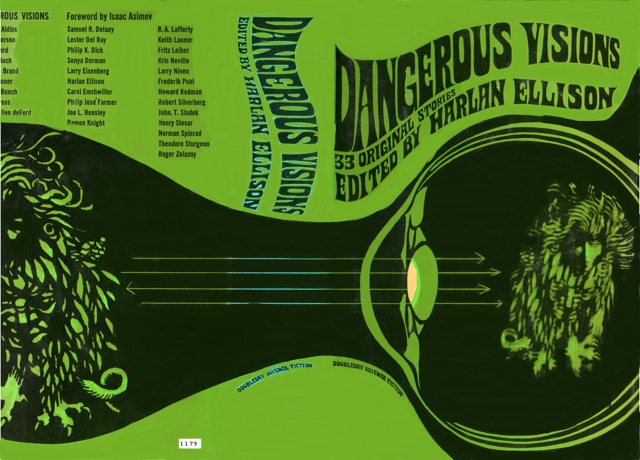
Dangerous Visions.
Welcome to Istanbul.
Entropic disorder. Another order and entropic disorder.
Another order and disorder.
A symbol for older SF.
Dr. Weiner's neighborhood.
The world will end in fire and/or ice.
The San Francisco Earthquake of 1906, as photographed by (possibly) London himself.

More earthquake: SF City Hall after the quake and fire, again in a photo that may be by London himself.

Attractive pack animals. Violent but attractive herd animals. The results of predation.


West Coast beaches and the end of humanity (Shell Beach, Sonoma County).

"The Scarlet Plague" in a new, better academic edition online.
More of London's sf. His famous book-length proto-fascist dystopia.

London was in some ways against white supremacy, but in some ways horrifyingly racist.
"The scarlet of the maples can shake me like a cry."
Delany's "Aye, and Gomorrah" now online.
Dangerous Visions.
Welcome to Istanbul.

Entropic disorder. Another order and entropic disorder.



Another order and disorder.


A symbol for older SF.

Dr. Weiner's neighborhood.

The world will end in fire and/or ice.
Saturday, September 21, 2019
Frederik Pohl's Gateway
A massive, but non-academic, list of Pohl's works, and a recent interview.
The first three chapters of Pohl's memoir, The Way the Future Was.
Gateway, the spinoff video game.
Reacting against the Campbell ethos.
A lot of Galaxy magazine.
Everything we know about the Heechee.
We may have a sense of wonder, but that's not why people really take risks.
An old-time old-time prospector.
What you don't see in Gateway.
The role of chance in American life. The really big role of chance in American life.
One analogy for the Gateway asteroid.
Another analogy for the Gateway asteroid.
Another analogy for the Gateway asteroid.
Pohl can't believe in him. Does Pohl believe him instead?
A real psychoanalyst from the late 1960s.
Computer simulation of light and motion around a black hole. (How to weigh a black hole.)
Another (groan) plot-relevant black hole.
A sequel. Another sequel. And another.
The first three chapters of Pohl's memoir, The Way the Future Was.
Gateway, the spinoff video game.
Reacting against the Campbell ethos.

A lot of Galaxy magazine.
Everything we know about the Heechee.

We may have a sense of wonder, but that's not why people really take risks.

An old-time old-time prospector.

What you don't see in Gateway.

The role of chance in American life. The really big role of chance in American life.


One analogy for the Gateway asteroid.

Another analogy for the Gateway asteroid.

Another analogy for the Gateway asteroid.

Pohl can't believe in him. Does Pohl believe him instead?

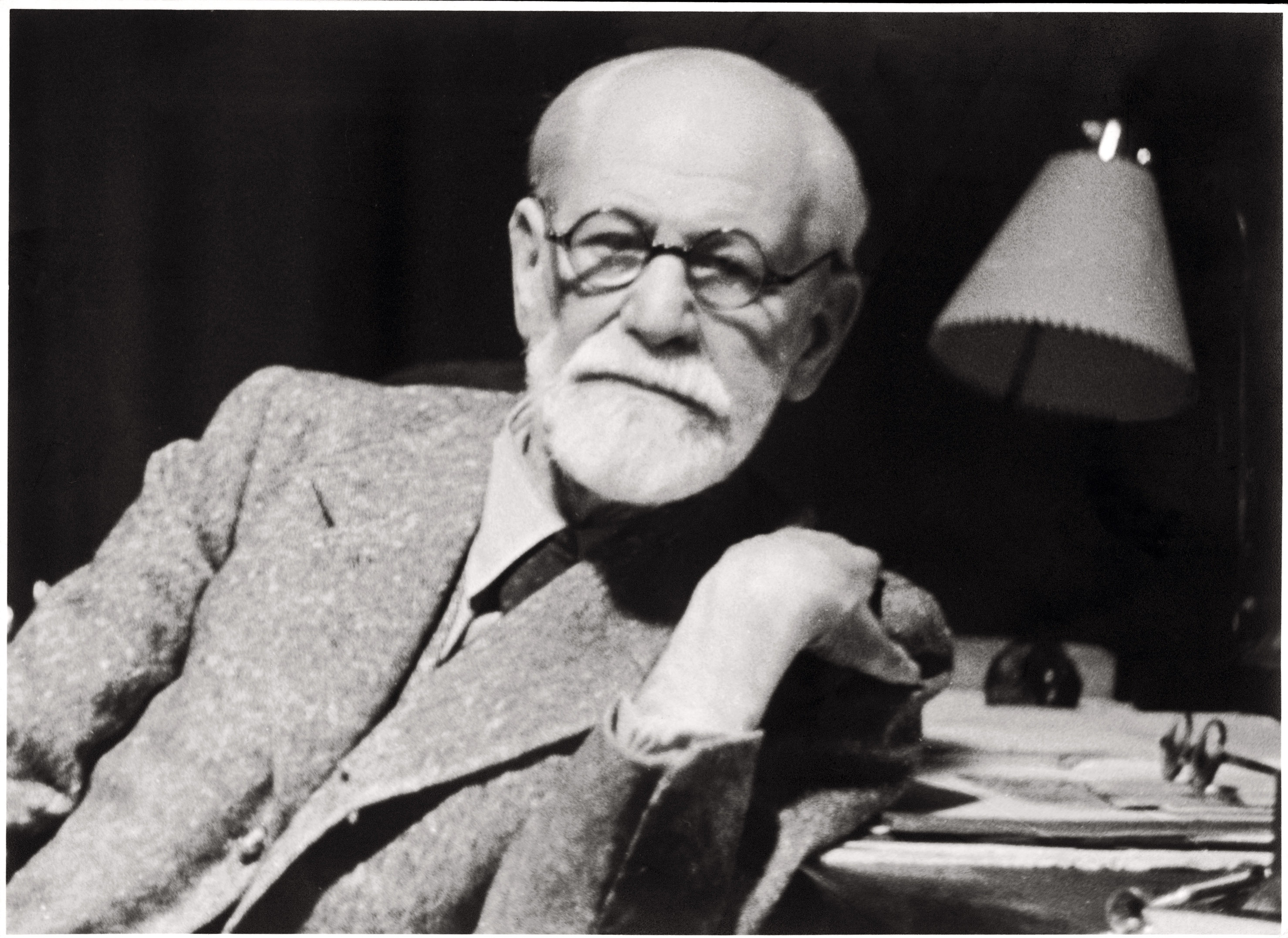
A real psychoanalyst from the late 1960s.
Computer simulation of light and motion around a black hole. (How to weigh a black hole.)

Another (groan) plot-relevant black hole.

A sequel. Another sequel. And another.


Saturday, September 14, 2019
Gilman
The first issue of Gilman's Forerunner (1909).
What seems to be the first book (rather than serial) edition of Herland.
Gilman herself.
Friedrich Froebel, sometimes credited with an important invention.
Images from the Smithsonian's Making of Homemakers collection
There is an essential womanhood but it's not this. Maybe it's this?
There is evolution but it's not this; maybe it's this.
Not quite what this guy thought.
Another familiar contrast between men's tastes and women's.
One analogy for Herland.
Another analogy. Who's the snake?
A future that came true.
A hard problem for Gilman's Utopian program to solve.
Naming a genre.
Using another genre.
Explicitly feminist sf: much later examples.
Looking for secondary sources? You can reach the Modern Language Association (MLA) bibliography through the main Harvard library site.
Hawthorne: a famous garden.
Hawthorne: Genesis 3, the Fall.
Hawthorne: the Roman god Vertumnus, a dude made in part of fruit.
Artificial selection gave us maize, or American corn.
The dark purple flower of doom.
Nightshade's purple flowers and dark fruit.
An apparently reliable academically sponsored reading edition of "Rappaccini's Daughter."

What seems to be the first book (rather than serial) edition of Herland.

Gilman herself.
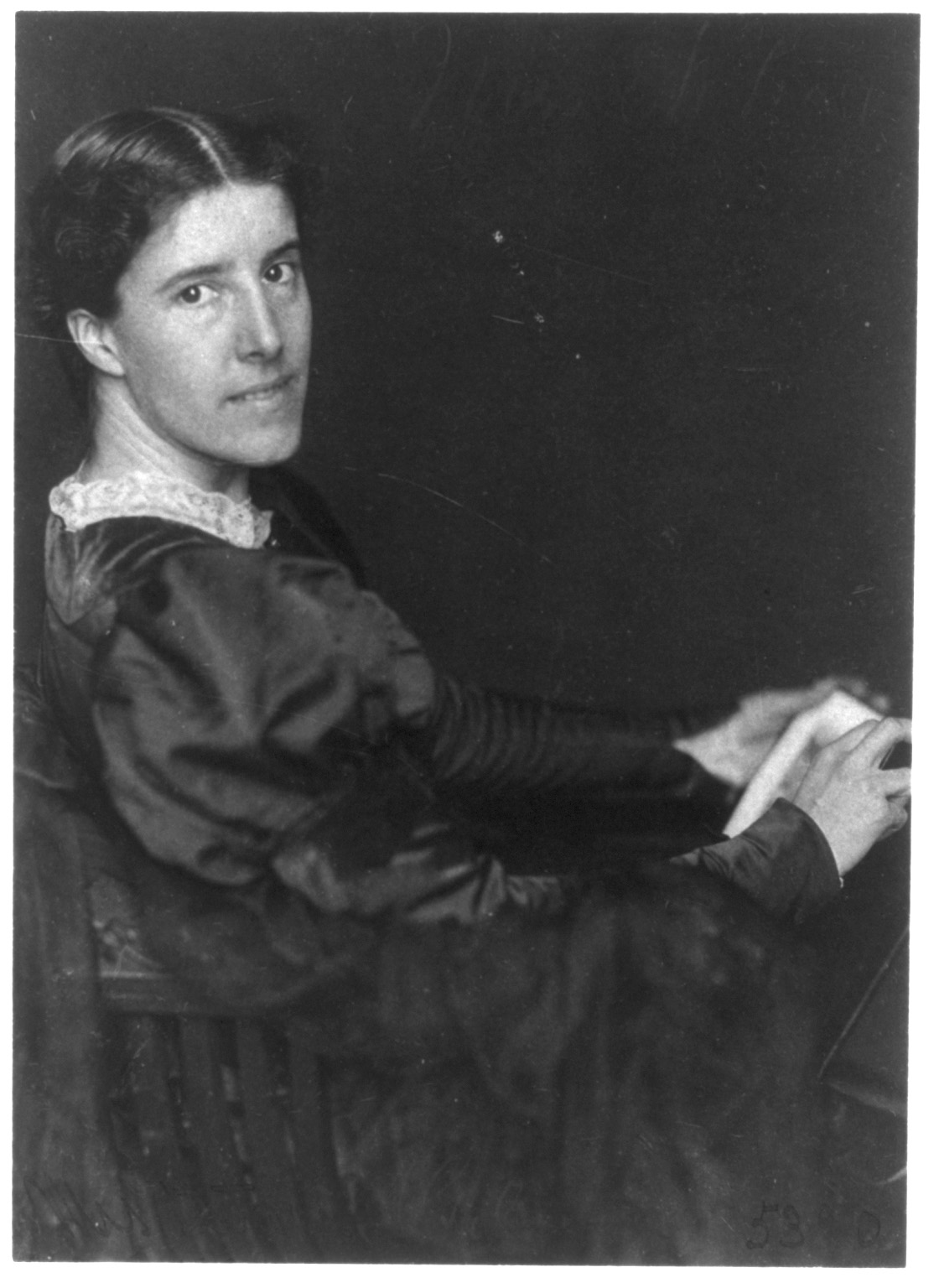
Friedrich Froebel, sometimes credited with an important invention.

Images from the Smithsonian's Making of Homemakers collection
There is an essential womanhood but it's not this. Maybe it's this?


There is evolution but it's not this; maybe it's this.


Not quite what this guy thought.

Another familiar contrast between men's tastes and women's.

One analogy for Herland.

Another analogy. Who's the snake?
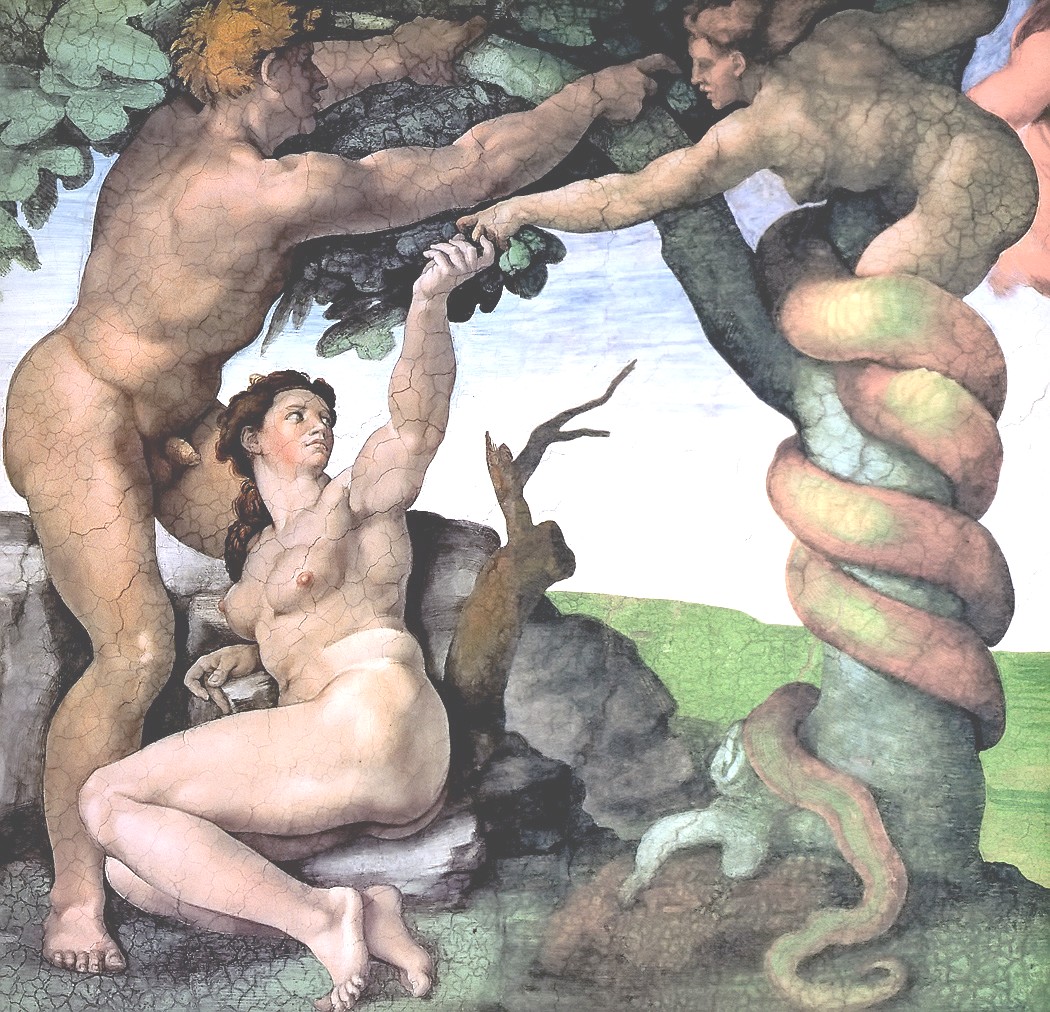
A future that came true.

A hard problem for Gilman's Utopian program to solve.

Naming a genre.

Using another genre.

Explicitly feminist sf: much later examples.
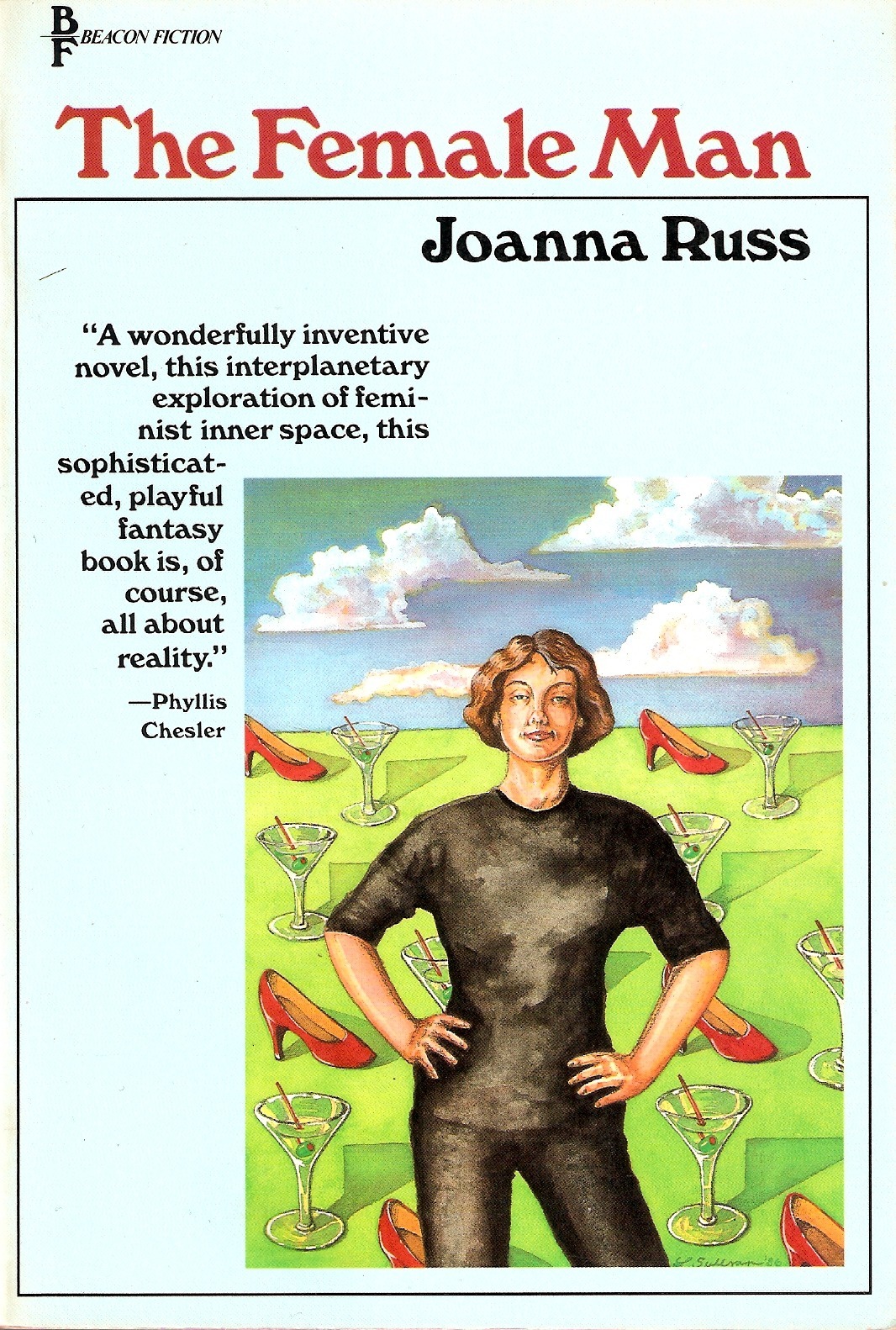
Looking for secondary sources? You can reach the Modern Language Association (MLA) bibliography through the main Harvard library site.
Hawthorne: a famous garden.

Hawthorne: Genesis 3, the Fall.
Hawthorne: the Roman god Vertumnus, a dude made in part of fruit.

Artificial selection gave us maize, or American corn.
The dark purple flower of doom.

Nightshade's purple flowers and dark fruit.


An apparently reliable academically sponsored reading edition of "Rappaccini's Daughter."
Monday, September 9, 2019
Connecticut Yankee
Another point of origin for a kind of sf.
From the University of Virginia, a useful guide to contexts for Twain's Yankee.
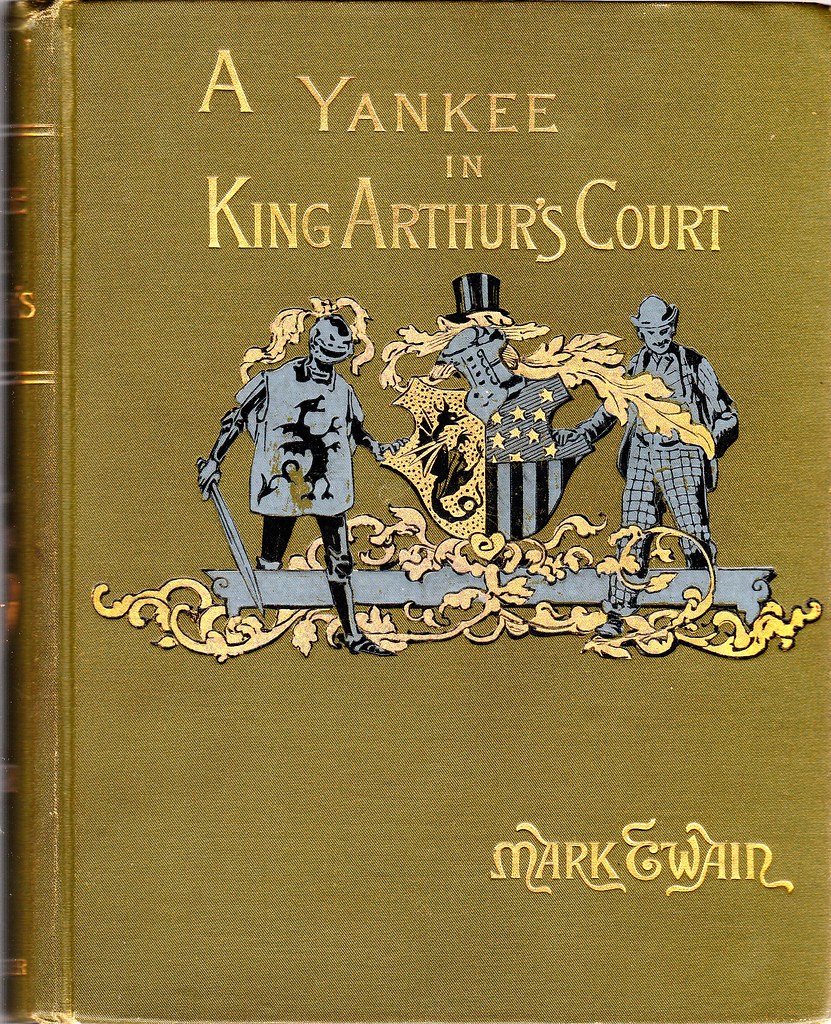
An 1889 edition of Connecticut Yankee.
About the production of Yankee and the illustrations by Dan Beard; a few of Twain's favorites.
A symbol for Connecticut.
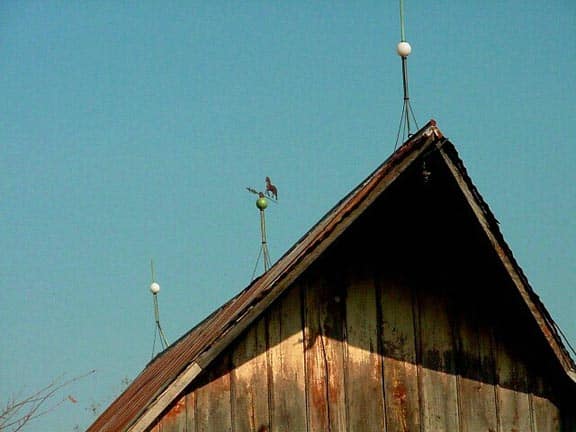
The marvelous lightning rod.
Mark Twain's house in Hartford (built 1873-74); a virtual tour.
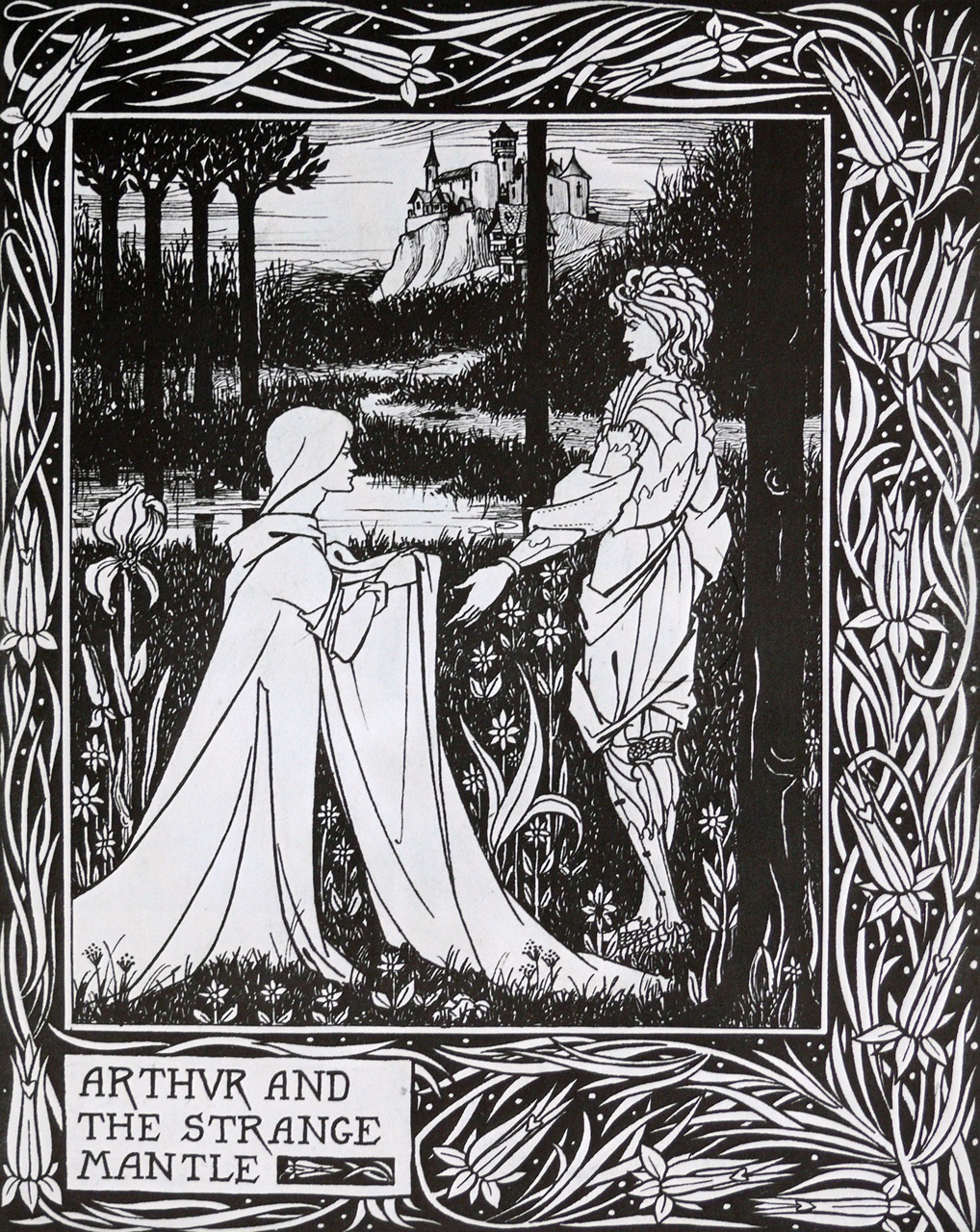
Illustrating Malory's Morte d'Arthur with 1890s artist Aubrey Beardsley.
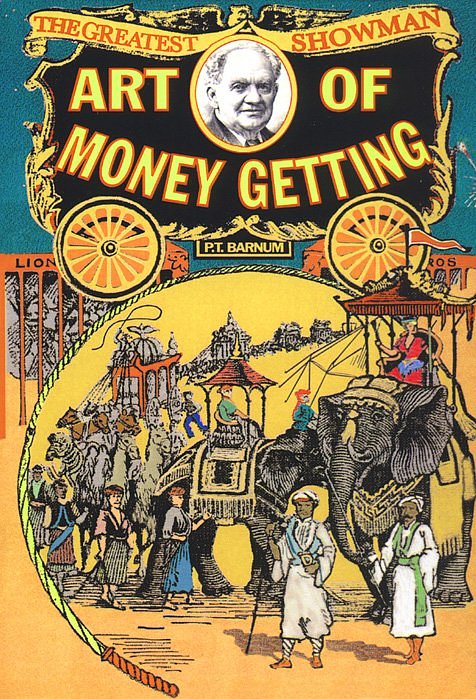
P. T. Barnum, The Art of Money Getting (1886).
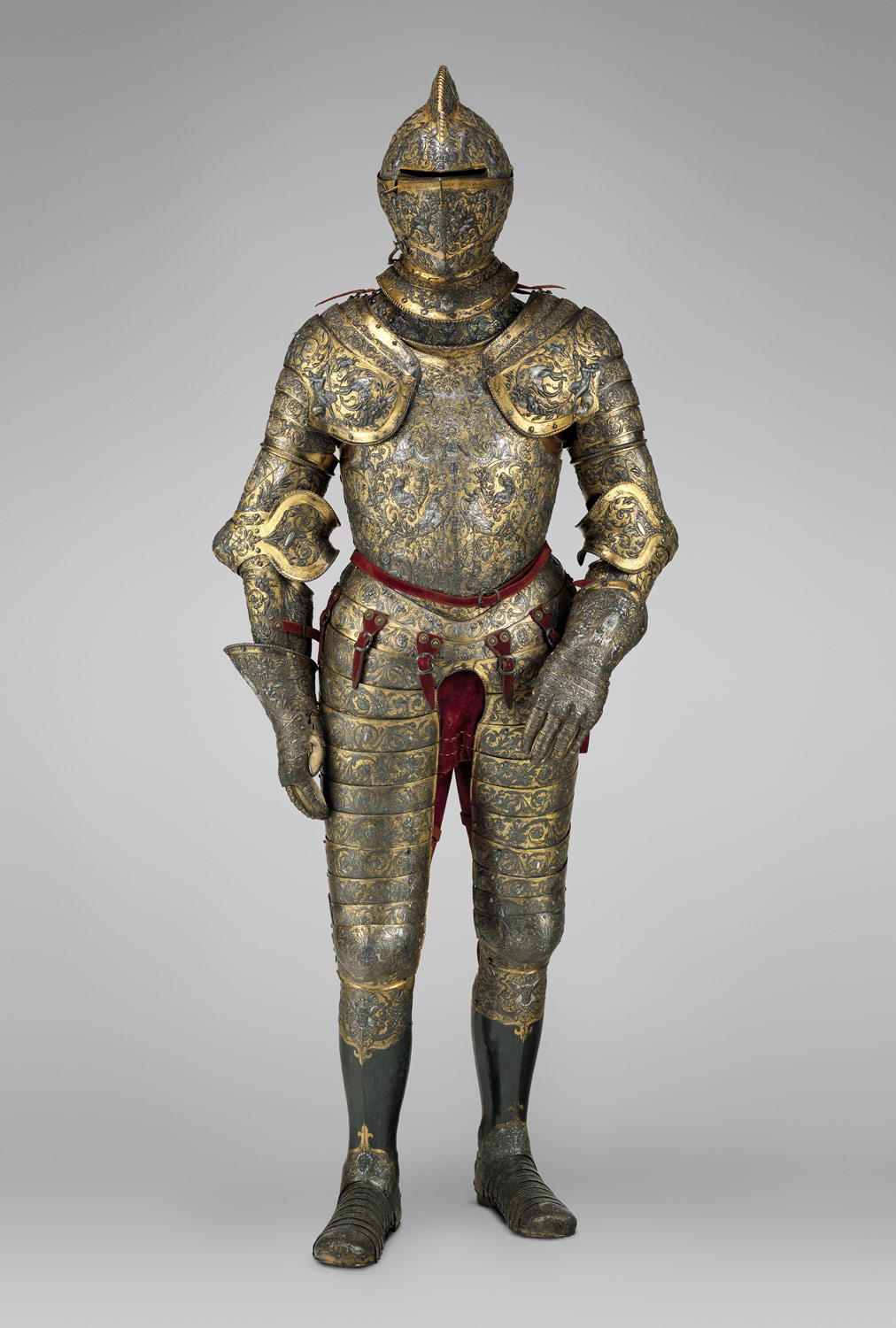
A full suit of armor. Heavy, isn't it?
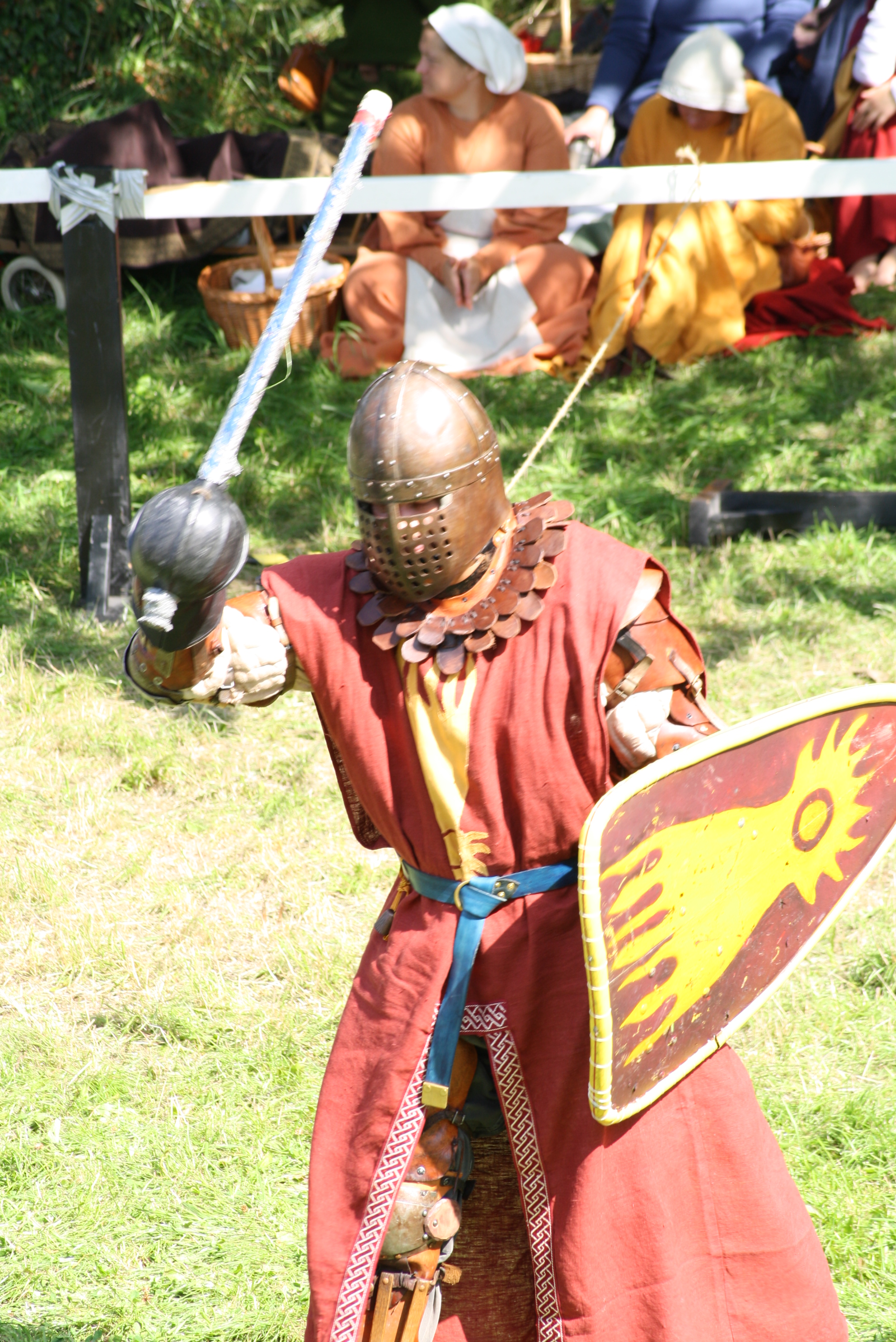
Contemporary recreational armor.
The advent of outdoor electric lights.
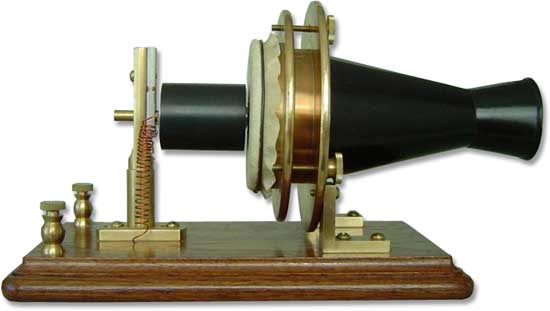
An early telephone (1876).
Knights on pennyfarthing bicycles.
From the Mark Twain Museum in Missouri, a Twain timeline and brief publishing history.
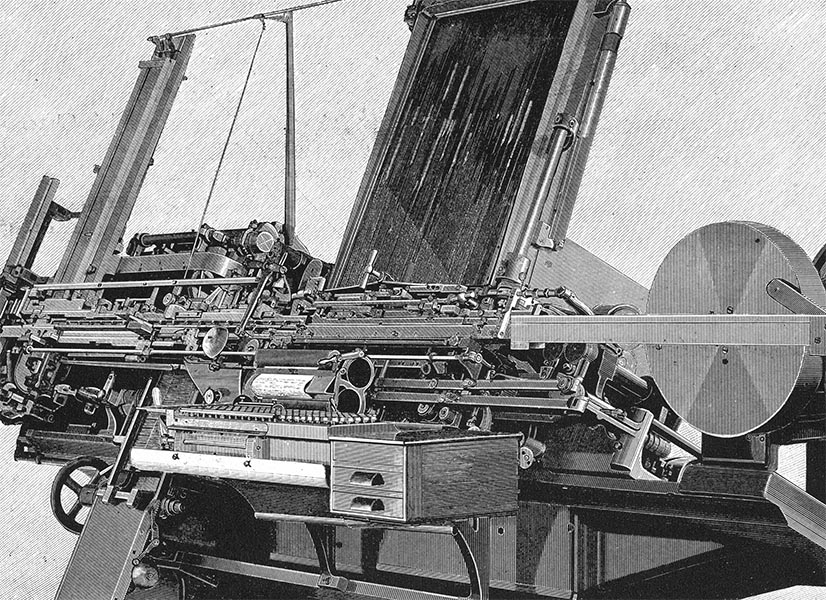
The infamous Paige Compositor. More about it.
Remembering the U.S. Civil War-- dead soldiers at Antietam; anticipating trench warfare.
Does all sf tend to become military sf?
Key lines from Twain's novel: "Training is all there is"... "any Established church"... "a man is a man at bottom."
More key lines: the "ossifying" effects of slavery. Gutenberg, Arkwright, and so on, the real creators.
What Arkwright invented: the water-frame loom. A late nineteenth century Singer sewing machine.
Mark Twain and Nicola Tesla on public radio. (They don't become close till after the Yankee, though.)
An ad for tooth polish (1913).
The past is a place (apologies to Bud Foote.)
Hawthorne: a famous garden.
Hawthorne: Genesis 3, the Fall.
Hawthorne: the Roman god Vertumnus, a dude made in part of fruit.
Artificial selection gave us maize, or American corn.
The dark purple flower of doom.
Nightshade's purple flowers and dark fruit.
An apparently reliable academically sponsored reading edition of "Rappaccini's Daughter," from Jack Lynch's miscellany of online texts.

From the University of Virginia, a useful guide to contexts for Twain's Yankee.
An 1889 edition of Connecticut Yankee.
About the production of Yankee and the illustrations by Dan Beard; a few of Twain's favorites.
A symbol for Connecticut.

The marvelous lightning rod.
Mark Twain's house in Hartford (built 1873-74); a virtual tour.
Illustrating Malory's Morte d'Arthur with 1890s artist Aubrey Beardsley.
P. T. Barnum, The Art of Money Getting (1886).
A full suit of armor. Heavy, isn't it?
Contemporary recreational armor.
The advent of outdoor electric lights.
An early telephone (1876).
Knights on pennyfarthing bicycles.

From the Mark Twain Museum in Missouri, a Twain timeline and brief publishing history.
The infamous Paige Compositor. More about it.
Remembering the U.S. Civil War-- dead soldiers at Antietam; anticipating trench warfare.
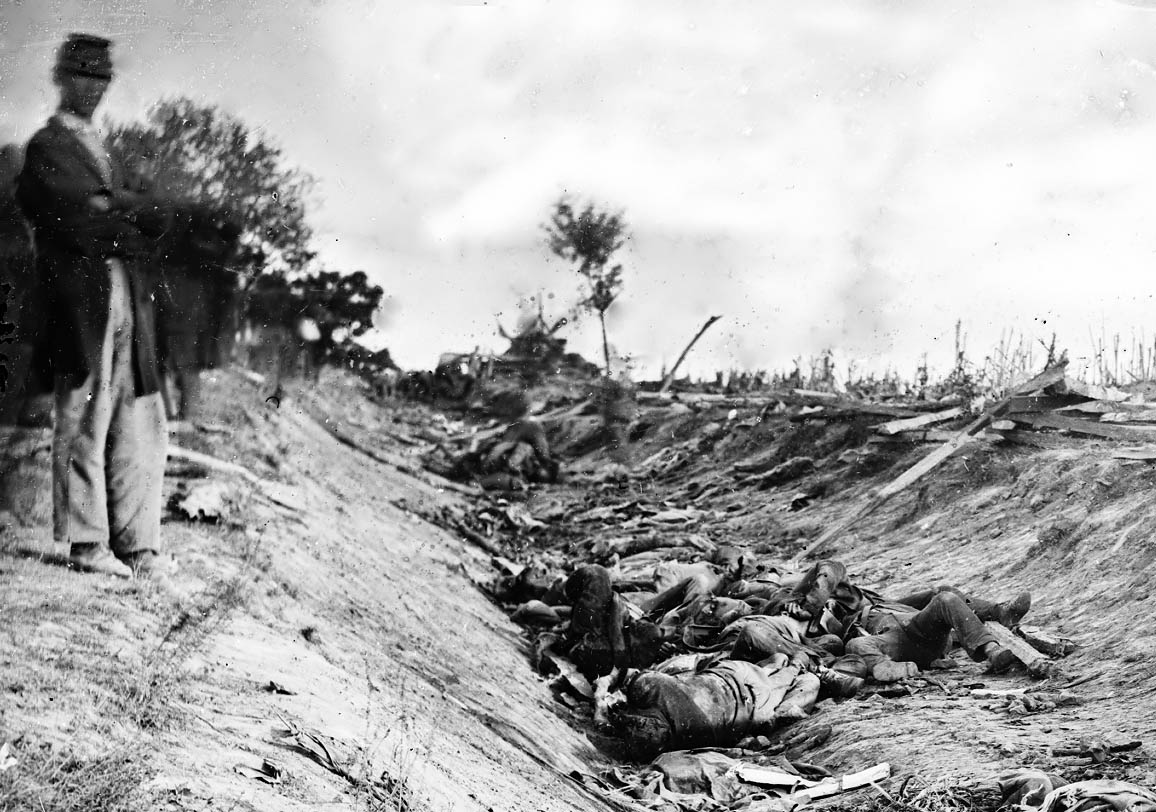
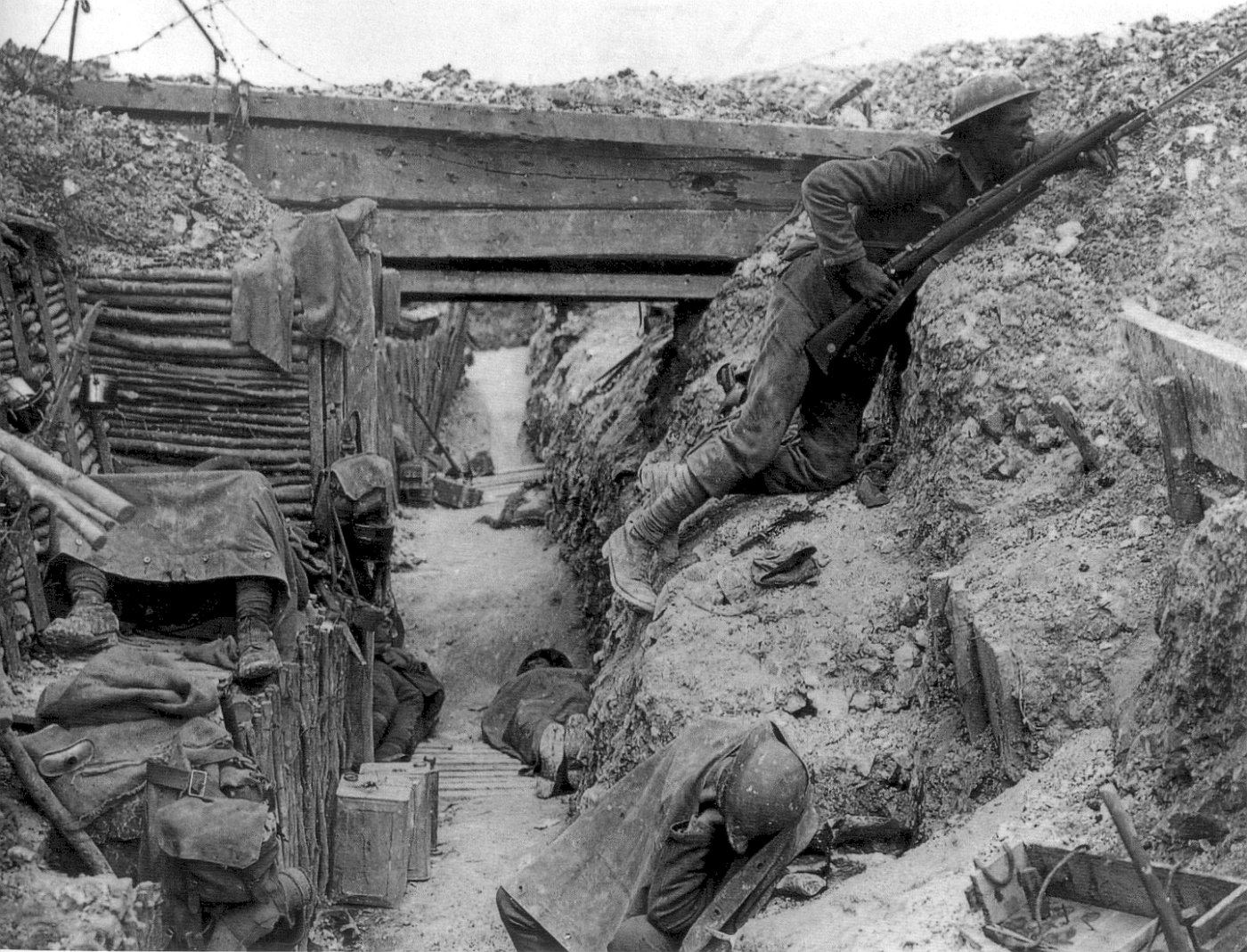
Does all sf tend to become military sf?

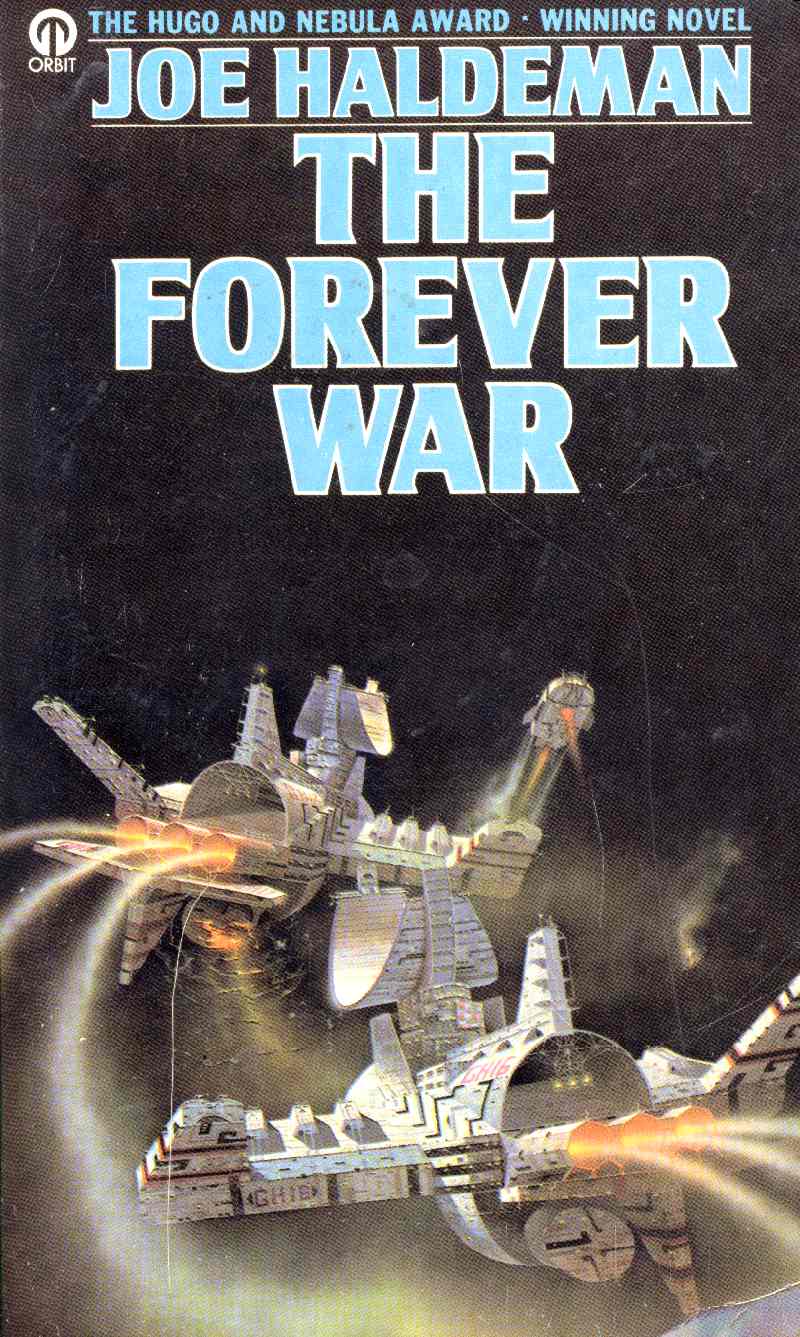
Key lines from Twain's novel: "Training is all there is"... "any Established church"... "a man is a man at bottom."
More key lines: the "ossifying" effects of slavery. Gutenberg, Arkwright, and so on, the real creators.
What Arkwright invented: the water-frame loom. A late nineteenth century Singer sewing machine.

Mark Twain and Nicola Tesla on public radio. (They don't become close till after the Yankee, though.)
An ad for tooth polish (1913).

The past is a place (apologies to Bud Foote.)

Hawthorne: a famous garden.
Hawthorne: Genesis 3, the Fall.
Hawthorne: the Roman god Vertumnus, a dude made in part of fruit.
Artificial selection gave us maize, or American corn.
The dark purple flower of doom.
Nightshade's purple flowers and dark fruit.
An apparently reliable academically sponsored reading edition of "Rappaccini's Daughter," from Jack Lynch's miscellany of online texts.
Tuesday, September 3, 2019
H. G. Wells
A reliable text for The Time Machine (book version). First book edition.
Darko Suvin excludes some fiction from "science fiction" (1978), and offers an sf theory list in 1979.
Suvin gets interviewed at length in 1991.
The H. G. Wells Society and its journal.
Jules Verne versus H. G. Wells.
From the 1977 Burt Lancaster Island of Dr. Moreau.
Wells in 1926: respectable enough for the cover of TIME.
Wells as guiding spirit for a Romanian science fiction club.
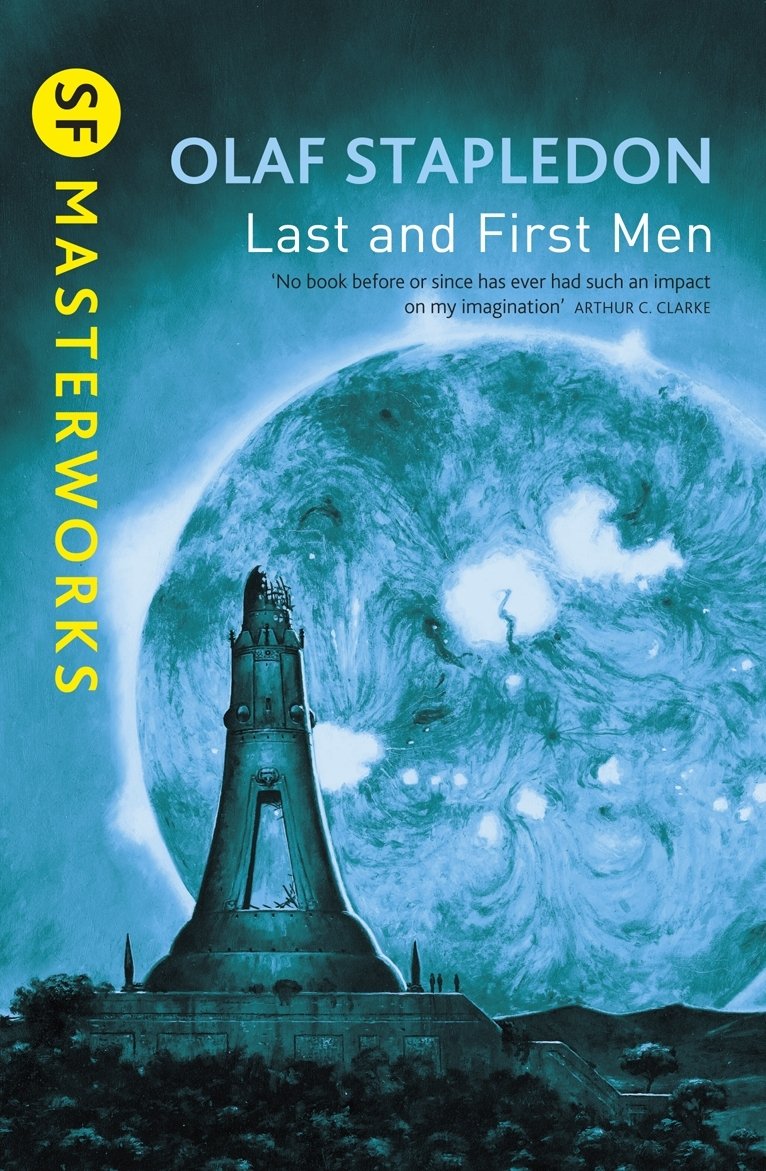
British disasters and longue durée sf after Wells.
Toy Time Machines and a toy Time Traveller, by the sadly defunct toy designer Spookypop.
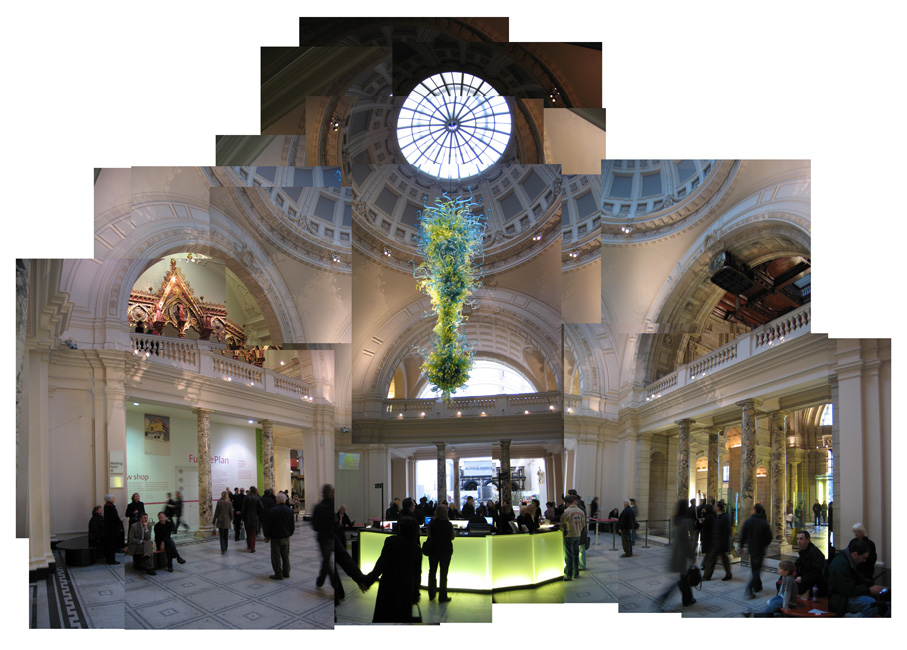
The Victoria and Albert Museum, outside and inside.
A poster for George Pal's 1960 film version.
Pure wonder.
Sketchy terror.
The future of characteristically British sadness.
Harmless flowers. More harmless flowers.
In a coal mine (Illustrated London News, 1876).
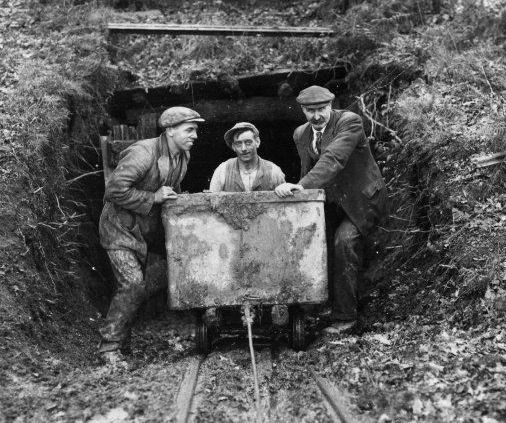
Coming out of a coal mine.
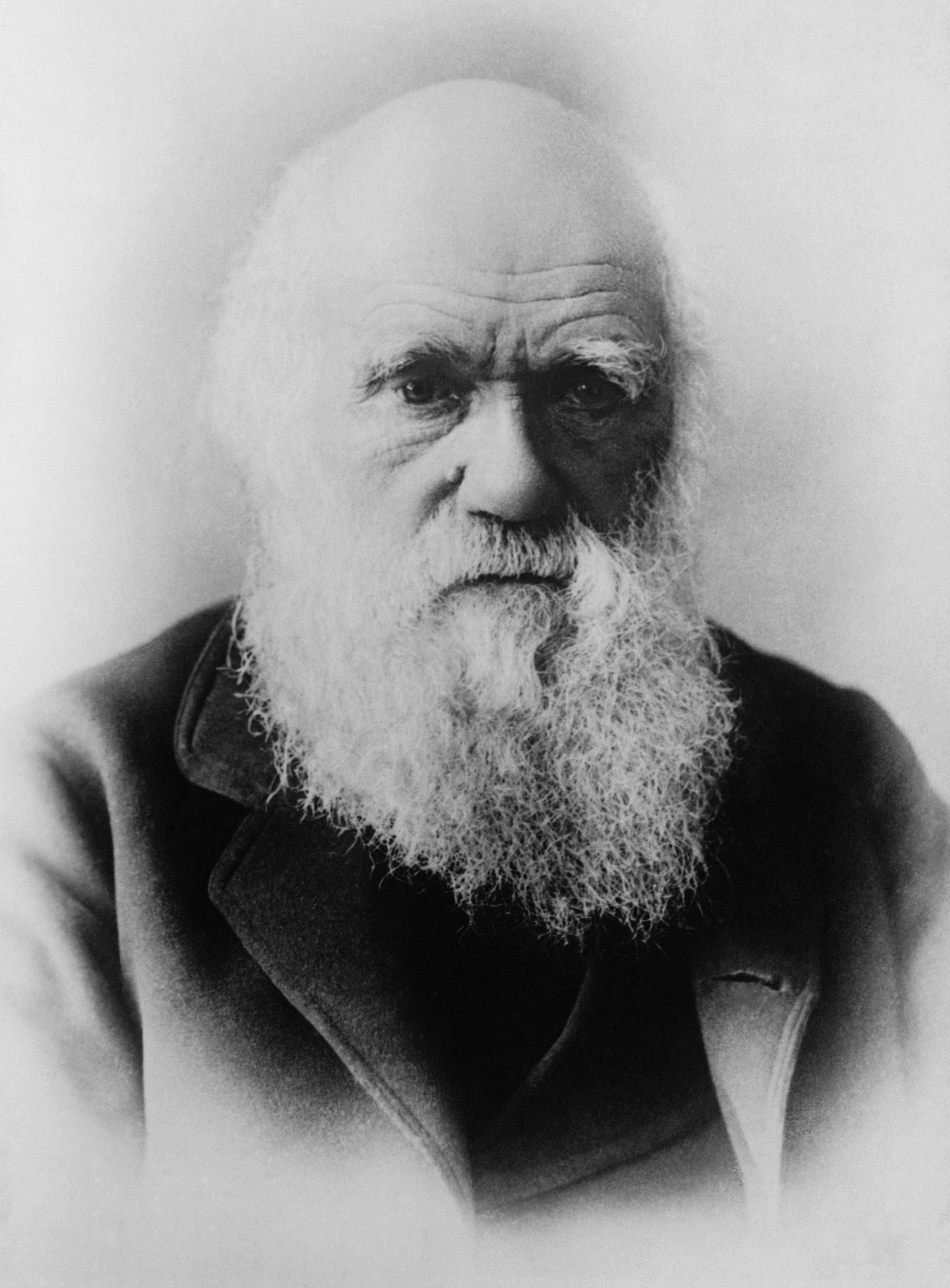
Contemplating evolution.
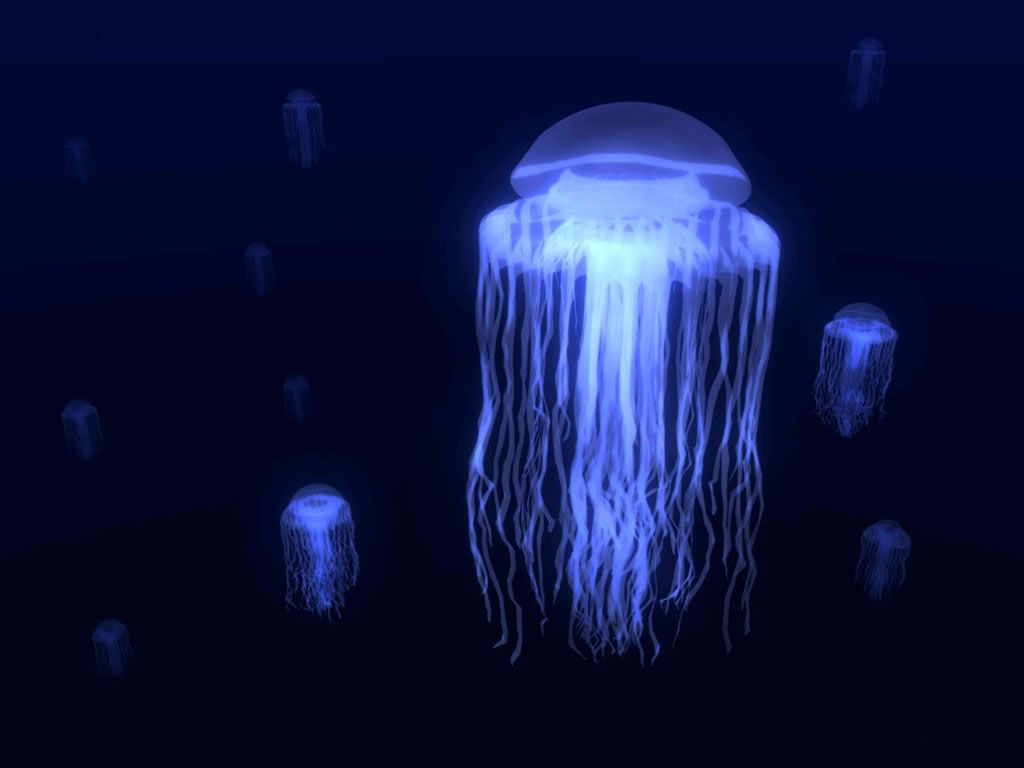
A real giant centipede, not for the squeamish, and some attractive jellyfish.
Darko Suvin excludes some fiction from "science fiction" (1978), and offers an sf theory list in 1979.
Suvin gets interviewed at length in 1991.
The H. G. Wells Society and its journal.
Jules Verne versus H. G. Wells.
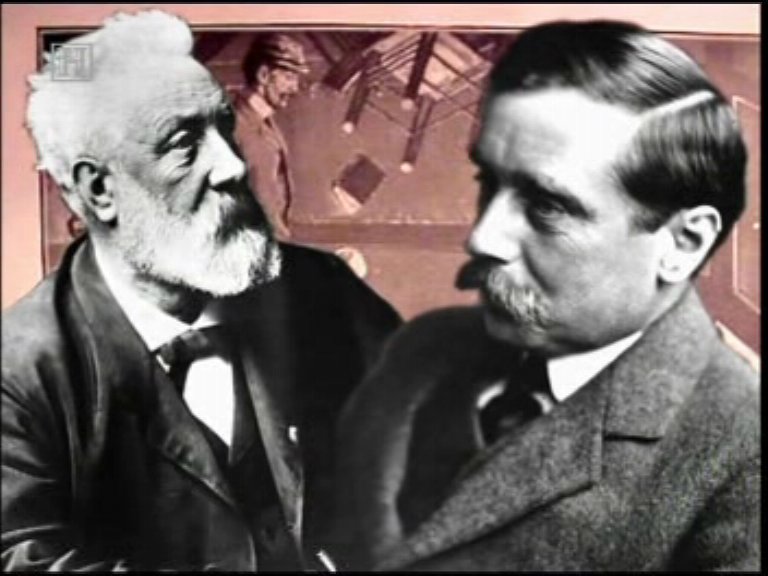
From the 1977 Burt Lancaster Island of Dr. Moreau.

Wells in 1926: respectable enough for the cover of TIME.

Wells as guiding spirit for a Romanian science fiction club.
British disasters and longue durée sf after Wells.

Toy Time Machines and a toy Time Traveller, by the sadly defunct toy designer Spookypop.
The Victoria and Albert Museum, outside and inside.
A poster for George Pal's 1960 film version.

Pure wonder.

Sketchy terror.

The future of characteristically British sadness.
Harmless flowers. More harmless flowers.


In a coal mine (Illustrated London News, 1876).

Coming out of a coal mine.
Contemplating evolution.
A real giant centipede, not for the squeamish, and some attractive jellyfish.

Subscribe to:
Posts (Atom)